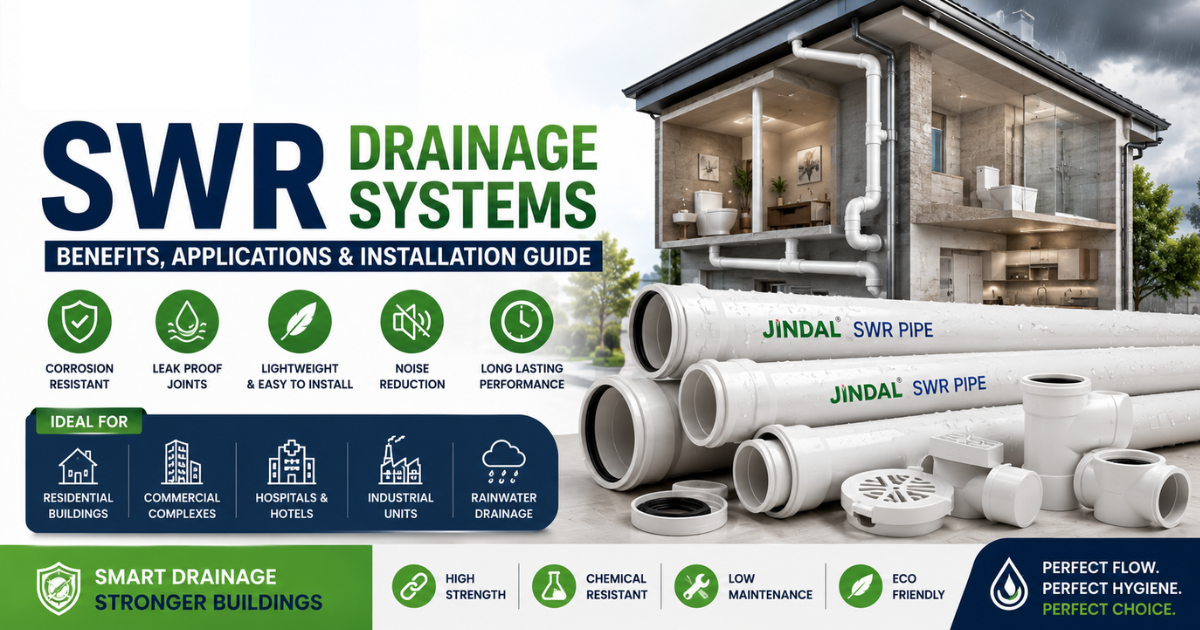

A reliable drainage system is just as important as a dependable water supply system. Whether it’s a residential home, apartment complex, hospital, hotel, factory, or commercial building, an efficient drainage network ensures wastewater is removed safely and hygienically.
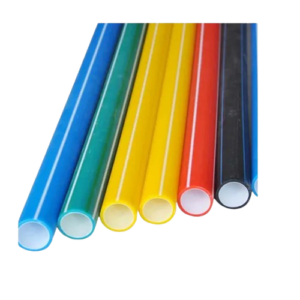
Modern construction projects increasingly rely on SWR (Soil, Waste, and Rain) Drainage Systems because they provide superior durability, leak-proof performance, corrosion resistance, and long service life. Compared to traditional cast iron drainage pipes, SWR pipes are lightweight, easy to install, and require minimal maintenance.
At Jindal Sanitaryware, we manufacture premium-quality SWR pipes and fittings engineered to meet the demanding requirements of modern drainage infrastructure. Our products are designed to deliver efficient wastewater disposal while maintaining excellent performance for decades.
This comprehensive guide explains everything you need to know about SWR drainage systems, including their benefits, applications, installation process, maintenance practices, and why they have become the preferred choice for residential and commercial projects.
Table of Contents
- What is an SWR Drainage System?
- Components of an SWR System
- Types of SWR Pipes
- Features of SWR Pipes
- Benefits of SWR Drainage Systems
- Residential Applications
- Commercial Applications
- Industrial Applications
- SWR Pipes vs Traditional Drainage Pipes
- Installation Guide
- Maintenance Tips
- Common Installation Mistakes
- Why Choose Jindal Sanitaryware SWR Pipes?
- Frequently Asked Questions
- Conclusion
What is an SWR Drainage System?
SWR stands for Soil, Waste, and Rain. It is a specially designed piping system used for transporting:
- Soil discharge from toilets
- Wastewater from kitchens and bathrooms
- Rainwater collected from rooftops
- Greywater drainage
- Ventilation of drainage systems
Unlike pressure plumbing systems, SWR systems operate primarily through gravity. Therefore, proper design, slope, and installation are essential for smooth water flow.
Modern SWR systems are manufactured using high-quality uPVC material, offering outstanding resistance to corrosion, chemicals, weather, and physical wear.
Components of an SWR Drainage System
An efficient drainage network consists of several interconnected components.
SWR Pipes
The main pipelines responsible for transporting wastewater.
Elbows
Used to change the direction of pipe routing.
Tees
Provide branch connections for multiple drainage lines.
Couplers
Join two pipes securely.
Reducers
Connect pipes of different diameters.
Door Tee
Allows easy inspection and cleaning during maintenance.
Floor Trap
Collects wastewater while preventing foul odors from entering the building.
Vent Pipe
Maintains proper air circulation inside the drainage network.
Pipe Clips
Support and secure the pipe system.
Types of SWR Pipes
Depending on the application, SWR pipes are available in different configurations.
Ring Fit SWR Pipes
Ring Fit systems use rubber ring seals to create flexible and leak-proof joints.
Advantages
- Easy installation
- Excellent sealing
- Suitable for underground applications
- Thermal expansion flexibility
Selfit SWR Pipes
Selfit pipes use solvent cement for permanent joints.
Advantages
- Strong connections
- High reliability
- Smooth internal surface
- Leak-resistant performance
Features of SWR Pipes
Corrosion Resistant
Unlike cast iron pipes, SWR pipes never rust or corrode.
Lightweight
Easy to transport, handle, and install.
Leak-Proof System
Quality fittings ensure secure and reliable joints.
Chemical Resistant
Suitable for domestic and industrial wastewater.
Smooth Internal Surface
Prevents blockage by reducing friction and minimizing waste accumulation.
UV Resistant
Suitable for outdoor installations when recommended installation practices are followed.
Long Service Life
Properly installed SWR systems can provide reliable service for over 50 years.
Benefits of SWR Drainage Systems
Modern SWR systems offer significant advantages over conventional drainage materials.
Excellent Flow Performance
The smooth inner surface minimizes resistance, allowing wastewater to flow efficiently.
Easy Installation
Lightweight construction reduces installation time and labor costs.
Low Maintenance
Corrosion-free material reduces the need for repairs and frequent maintenance.
Leak-Free Connections
High-quality fittings minimize water leakage and unpleasant odors.
Cost Effective
Lower installation, transportation, and maintenance costs compared to metal drainage systems.
Noise Reduction
Modern SWR pipes are designed to reduce drainage noise, improving indoor comfort.
Hygienic Drainage
Efficient wastewater removal helps maintain a clean and healthy environment.
Residential Applications
SWR drainage systems are widely used in residential construction.
Applications include:
- Toilets
- Bathrooms
- Kitchens
- Balconies
- Roof rainwater drainage
- Washing machine outlets
- Utility rooms
- Terrace drainage
They provide efficient wastewater disposal while requiring very little maintenance.
Commercial Applications
Commercial buildings demand reliable drainage systems capable of handling high volumes of wastewater.
Common installations include:
- Hotels
- Shopping malls
- Office buildings
- Restaurants
- Educational institutions
- Apartment complexes
- Hospitals
- Retail centers
Industrial Applications
Industries rely on SWR systems for efficient wastewater management.
Used in:
- Manufacturing plants
- Warehouses
- Pharmaceutical facilities
- Food processing units
- Textile industries
- Chemical industries (where compatible)
Agriculture Applications
SWR pipes also support:
- Farm drainage
- Rainwater harvesting
- Utility buildings
- Water discharge systems
SWR Pipes vs Traditional Drainage Pipes
| Feature | SWR Pipes | Cast Iron Pipes | Concrete Pipes |
|---|---|---|---|
| Corrosion Resistant | ✔ | ✘ | Moderate |
| Lightweight | ✔ | ✘ | ✘ |
| Easy Installation | ✔ | Difficult | Difficult |
| Leak Resistant | ✔ | Moderate | Moderate |
| Maintenance | Low | High | High |
| Cost Effective | ✔ | Moderate | Expensive |
| Long Service Life | 50+ Years | Moderate | Moderate |
| Smooth Water Flow | ✔ | Moderate | Low |
Installation Guide
Correct installation is essential for long-term performance.
Step 1
Prepare the pipe layout according to the building plan.
Step 2
Measure and cut pipes accurately.
Step 3
Remove burrs and clean pipe ends.
Step 4
Check alignment before joining.
Step 5
For Ring Fit systems, insert the rubber ring correctly.
For Selfit systems, apply approved solvent cement evenly.
Step 6
Join pipes securely without forcing the connection.
Step 7
Maintain the recommended slope for gravity drainage.
Step 8
Install proper pipe supports and clamps.
Step 9
Perform a leak test before completing the installation.
Maintenance Tips
Although SWR drainage systems require very little maintenance, periodic inspection helps maximize their lifespan.
Recommended practices:
- Inspect visible joints regularly.
- Clean floor traps periodically.
- Remove debris from rainwater pipes.
- Avoid disposing of solid waste into drainage lines.
- Check pipe supports annually.
- Repair damaged fittings immediately.
Common Installation Mistakes
Avoid these common errors during installation:
- Incorrect pipe slope
- Poor alignment
- Using incompatible fittings
- Excessive solvent cement
- Inadequate pipe support
- Ignoring expansion allowances
- Skipping leak testing
Proper installation ensures efficient drainage and long-term reliability.
Why Choose Jindal Sanitaryware SWR Pipes?
At Jindal Sanitaryware, we manufacture SWR drainage systems using advanced production technology and premium-grade raw materials to meet modern construction standards.
Our Advantages
- High-quality uPVC material
- Strong and durable construction
- Precision-engineered fittings
- Excellent flow characteristics
- Leak-proof performance
- Corrosion and chemical resistance
- Easy installation
- Wide range of pipe sizes and fittings
- Competitive pricing
- Trusted by builders, architects, plumbers, and contractors
Whether you’re constructing a new home or managing a large commercial project, Jindal Sanitaryware SWR Pipes deliver reliable drainage solutions built to last.
Environmental Benefits
Modern SWR systems contribute to sustainable construction by:
- Reducing water leakage
- Supporting rainwater management
- Offering long service life
- Minimizing maintenance-related waste
- Using recyclable materials
Choosing durable drainage products helps reduce environmental impact while improving building performance.