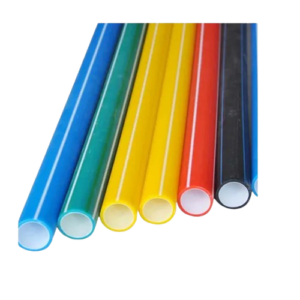
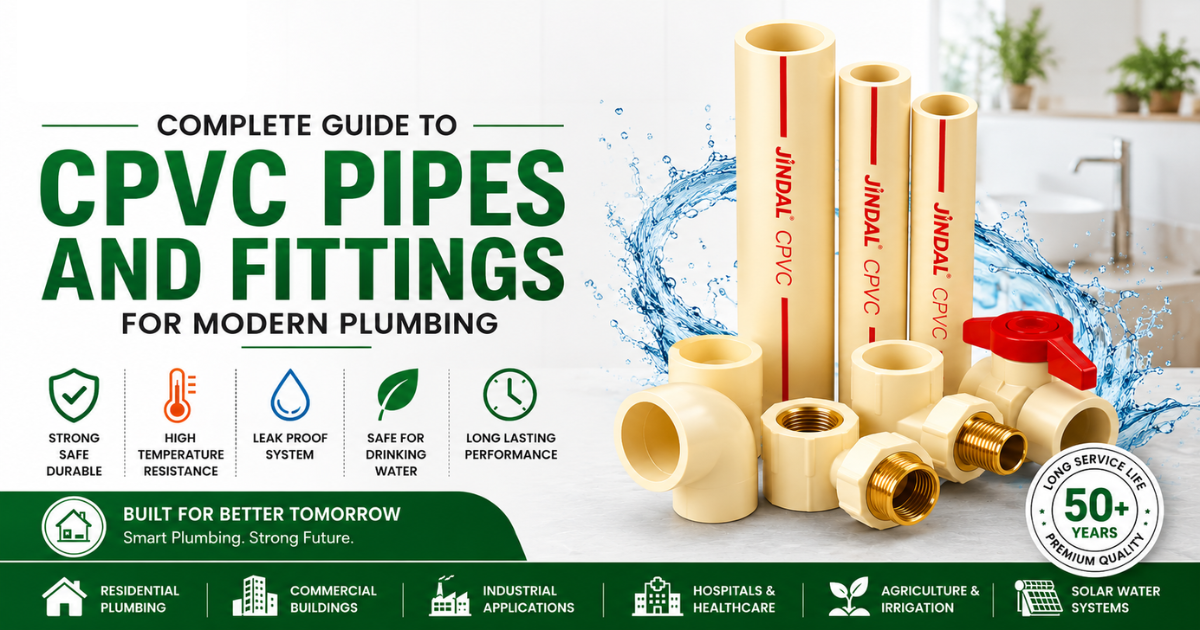

Modern plumbing systems demand durable, safe, and long-lasting piping solutions. Whether you’re constructing a new home, upgrading a commercial building, or working on an industrial project, selecting the right piping material is one of the most important decisions you can make. Among the various options available today, CPVC pipes and fittings have become the preferred choice for engineers, contractors, plumbers, and homeowners.
CPVC (Chlorinated Polyvinyl Chloride) pipes are designed to handle both hot and cold water applications while providing excellent resistance against corrosion, chemicals, scaling, and rust. Their superior strength, long service life, and low maintenance requirements make them one of the most reliable plumbing materials available.
At Jindal Sanitaryware, we manufacture premium-quality CPVC pipes and fittings that meet modern construction standards while delivering exceptional performance in residential, commercial, and industrial plumbing systems.
Table of Contents
- What are CPVC Pipes?
- How CPVC Pipes are Manufactured
- Features of CPVC Pipes
- Advantages of CPVC Pipes
- Applications of CPVC Pipes
- Types of CPVC Fittings
- Why CPVC is Better than Traditional Pipes
- Installation Guide
- Maintenance Tips
- Choosing the Right CPVC Pipes
- Why Choose Jindal Sanitaryware
- Frequently Asked Questions
- Conclusion
What are CPVC Pipes?
CPVC stands for Chlorinated Polyvinyl Chloride, an advanced thermoplastic material manufactured by chlorinating PVC resin. This additional chlorination significantly increases the material’s temperature resistance, strength, and chemical stability.
Unlike ordinary PVC pipes, CPVC pipes are specially designed to transport both hot and cold water safely. They can withstand temperatures of up to 93°C, making them ideal for domestic and industrial plumbing systems.
CPVC pipes are lightweight, durable, and easy to install, making them an excellent replacement for traditional GI, copper, and metal piping systems.
How CPVC Pipes are Manufactured
The manufacturing process involves:
- High-quality PVC resin
- Controlled chlorination process
- Premium additives
- High-pressure extrusion technology
- Strict quality inspections
- Dimensional accuracy testing
- Hydrostatic pressure testing
Every Jindal CPVC pipe undergoes rigorous quality checks to ensure long-lasting durability and leak-proof performance.
Key Features of CPVC Pipes
Excellent Heat Resistance
One of the biggest advantages of CPVC is its ability to handle high-temperature water without losing strength or shape.
Suitable for:
- Hot water supply
- Solar water heating systems
- Commercial kitchens
- Hotels
- Hospitals
Corrosion Resistant
Unlike metal pipes, CPVC does not rust or corrode.
Benefits include:
- No rust
- No scaling
- Better water quality
- Longer service life
Chemical Resistant
CPVC pipes are resistant to a wide variety of acids, alkalis, salts, and chemicals.
Ideal for:
- Chemical industries
- Laboratories
- Industrial processing plants
Leak-Proof Jointing
Using CPVC solvent cement creates a molecular bond between pipes and fittings.
Advantages:
- Permanent joints
- Zero leakage
- High pressure resistance
- Strong bonding
Lightweight
CPVC weighs much less than metal pipes.
This provides:
- Easy transportation
- Faster installation
- Lower labor costs
- Reduced project expenses
Long Service Life
Properly installed CPVC systems can last 50 years or more, making them a smart long-term investment.
Safe for Drinking Water
Jindal CPVC pipes are manufactured using non-toxic materials.
Benefits include:
- No metallic taste
- No odor
- Safe drinking water
- Hygienic water supply
Advantages of CPVC Pipes
Low Maintenance
No painting, anti-rust coating, or regular maintenance is required.
Energy Efficient
Smooth internal surfaces reduce friction losses and improve water flow.
Cost Effective
Although premium quality, CPVC offers significant savings through:
- Longer lifespan
- Lower maintenance
- Easy installation
- Reduced repair costs
High Pressure Resistance
Designed for modern plumbing systems where pressure performance matters.
Fire Safety
CPVC is self-extinguishing and does not easily support combustion.
Applications of CPVC Pipes
CPVC pipes are widely used in numerous industries.
Residential Buildings
- Bathrooms
- Kitchens
- Water supply
- Overhead tank connections
Commercial Buildings
- Shopping malls
- Hotels
- Offices
- Restaurants
Hospitals
Reliable plumbing for:
- Clean water
- Hot water supply
- Laboratory systems
Industrial Applications
Used for transporting:
- Chemicals
- Hot water
- Process fluids
Educational Institutions
Schools, colleges, universities, and hostels depend on CPVC plumbing due to its durability.
Agriculture
Useful for:
- Irrigation systems
- Water distribution
- Farmhouses
Common CPVC Fittings
A plumbing system is incomplete without quality fittings.
Popular fittings include:
- Elbows
- Couplers
- Reducers
- Tees
- End Caps
- Female Threaded Adapters
- Male Threaded Adapters
- Ball Valves
- Unions
- Cross Tees
- Pipe Clips
- Tank Connectors
Each fitting is engineered for leak-proof performance and dimensional accuracy.
Why CPVC is Better than Traditional Pipes
| Feature | CPVC | GI Pipe | Copper |
|---|---|---|---|
| Rust Resistant | ✔ | ✘ | ✔ |
| Corrosion Resistant | ✔ | ✘ | Moderate |
| Lightweight | ✔ | ✘ | ✘ |
| Easy Installation | ✔ | ✘ | Moderate |
| Cost Effective | ✔ | Moderate | ✘ |
| Long Service Life | 50+ Years | Lower | Good |
| Chemical Resistance | Excellent | Poor | Moderate |
Installation Guide
Installing CPVC pipes correctly ensures maximum performance.
Step 1
Measure and cut the pipe using a proper pipe cutter.
Step 2
Remove burrs and smooth the pipe edges.
Step 3
Dry-fit the pipe and fitting.
Step 4
Apply CPVC solvent cement evenly.
Step 5
Insert the pipe fully into the fitting.
Step 6
Hold for approximately 30 seconds.
Step 7
Allow proper curing time before pressure testing.
Maintenance Tips
Although CPVC requires minimal maintenance, following these tips increases lifespan.
- Inspect joints periodically.
- Avoid physical impact.
- Use original fittings.
- Prevent exposure to direct flames.
- Flush pipelines occasionally.
- Replace damaged fittings immediately.
How to Choose the Right CPVC Pipes
Before purchasing, consider:
Pipe Size
Choose the correct diameter according to water demand.
Pressure Rating
Ensure the pipe matches system pressure.
Certified Quality
Always purchase from trusted manufacturers.
Genuine Accessories
Use original solvent cement and fittings.
Warranty
Buy products supported by manufacturer warranties.
Why Choose Jindal Sanitaryware CPVC Pipes?
Jindal Sanitaryware is committed to delivering high-quality plumbing solutions built for long-lasting performance.
Our Advantages
- Premium raw materials
- Advanced manufacturing technology
- Strict quality control
- Leak-proof fittings
- Corrosion-resistant products
- Excellent customer support
- Wide product range
- Affordable pricing
- Fast availability
- Trusted by plumbers, contractors, and builders
Whether you’re working on a home renovation or a large commercial project, Jindal CPVC Pipes provide dependable performance and long-term value.