
In today’s construction industry, choosing the right piping system is essential for ensuring durability, safety, and long-term performance. Whether you are building a new home, renovating an apartment, or developing a commercial complex, the quality of your plumbing infrastructure directly impacts the efficiency and lifespan of the building.
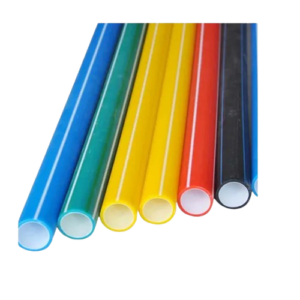
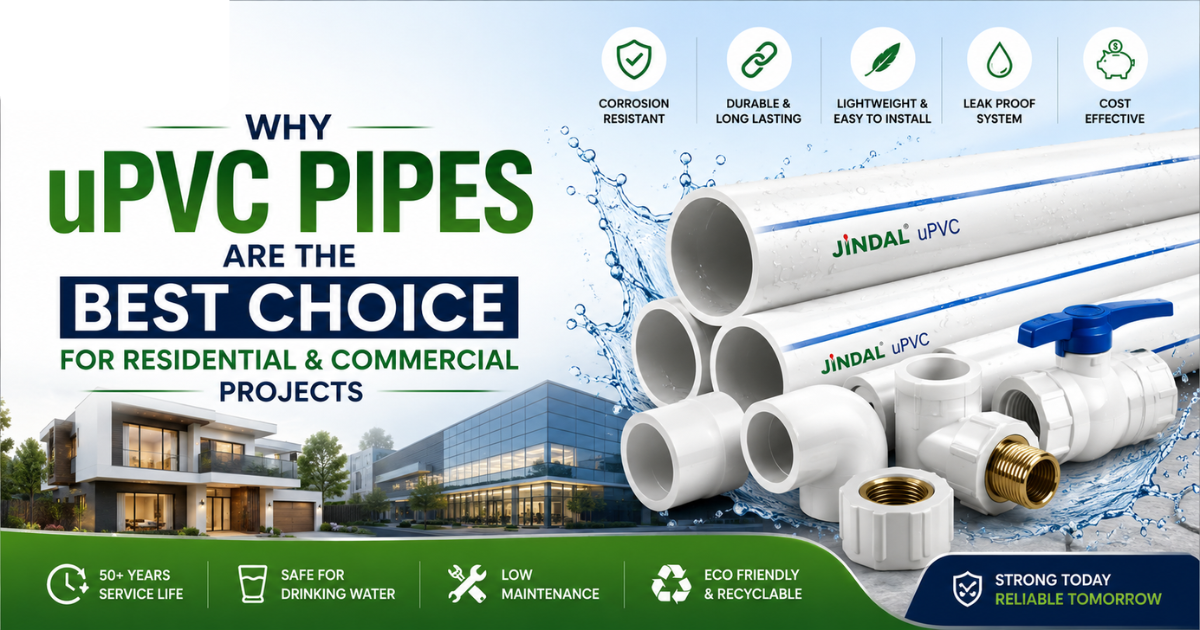
Among the many piping materials available, uPVC (Unplasticized Polyvinyl Chloride) pipes have become one of the most trusted and widely used solutions. Their exceptional durability, corrosion resistance, lightweight design, and cost-effectiveness make them an ideal choice for residential, commercial, and industrial applications.
At Jindal Sanitaryware, we manufacture high-quality uPVC pipes and fittings that meet modern quality standards and provide reliable water distribution and drainage solutions. Our products are designed to deliver excellent performance while reducing maintenance costs and ensuring years of dependable service.
Table of Contents
- What are uPVC Pipes?
- Features of uPVC Pipes
- Advantages of uPVC Pipes
- Residential Applications
- Commercial Applications
- Industrial Applications
- uPVC Pipes vs Traditional Metal Pipes
- Installation Guide
- Maintenance Tips
- Why Choose Jindal Sanitaryware uPVC Pipes?
- Frequently Asked Questions
- Conclusion
What are uPVC Pipes?
uPVC stands for Unplasticized Polyvinyl Chloride, a rigid and durable plastic material widely used in plumbing, drainage, irrigation, and water supply systems. Unlike regular PVC, uPVC does not contain plasticizers, making it stronger, more durable, and capable of withstanding higher pressure.
These pipes are designed to transport clean water efficiently while resisting rust, corrosion, chemicals, and scaling. Their smooth inner surface ensures excellent water flow with minimal pressure loss.
Why uPVC Pipes Are So Popular
The popularity of uPVC pipes continues to grow because they offer a combination of strength, affordability, and long service life. Builders, architects, contractors, and homeowners prefer uPVC piping systems due to their reliable performance in various environments.
Whether it’s a residential home or a commercial building, uPVC pipes help reduce maintenance costs while ensuring uninterrupted water supply.
Key Features of uPVC Pipes
1. Corrosion Resistant
Unlike metal pipes, uPVC pipes never rust or corrode, ensuring clean and hygienic water throughout their lifespan.
Benefits
- No rust formation
- Better water quality
- Long-lasting performance
- Low maintenance
2. Lightweight Construction
uPVC pipes are significantly lighter than steel or cast iron pipes.
Advantages include:
- Easy transportation
- Faster installation
- Reduced labor costs
- Lower project expenses
3. High Strength
Although lightweight, uPVC pipes are extremely strong and capable of handling high-pressure water distribution systems.
4. Chemical Resistance
They are resistant to many acids, alkalis, salts, and chemicals, making them suitable for industrial and commercial use.
5. Leak-Proof Joints
When installed with quality solvent cement, uPVC fittings create durable and leak-proof joints.
6. Smooth Internal Surface
The smooth bore reduces friction, allowing efficient water flow and minimizing pressure loss.
7. Long Service Life
A properly installed uPVC piping system can last 50 years or more, making it a cost-effective investment.
Advantages of uPVC Pipes
Excellent Durability
Designed to withstand harsh weather conditions and daily usage.
Low Maintenance
No painting, anti-rust coating, or regular repairs required.
Cost Effective
Lower installation and maintenance costs compared to metal piping systems.
Eco-Friendly
uPVC pipes are recyclable and support sustainable construction practices.
Hygienic Water Supply
The material does not contaminate drinking water with rust or harmful substances.
Weather Resistant
Suitable for various climates and outdoor installations.
Fire Resistant
uPVC has self-extinguishing properties that improve safety.
Residential Applications
uPVC pipes are widely used in homes for:
- Drinking water supply
- Bathroom plumbing
- Kitchen plumbing
- Garden irrigation
- Rainwater harvesting
- Underground water distribution
- Overhead tank connections
- Drainage systems
Their durability and ease of installation make them ideal for modern residential projects.
Commercial Applications
Commercial buildings require reliable plumbing systems capable of handling continuous water usage.
uPVC pipes are commonly installed in:
- Hotels
- Hospitals
- Schools
- Colleges
- Shopping malls
- Office complexes
- Restaurants
- Apartment buildings
- Warehouses
They provide consistent performance while minimizing maintenance interruptions.
Industrial Applications
Industrial facilities benefit from the chemical resistance and durability of uPVC pipes.
Applications include:
- Chemical processing plants
- Manufacturing units
- Food processing industries
- Pharmaceutical factories
- Water treatment plants
- Cooling water systems
Agriculture Applications
Farmers prefer uPVC pipes because they are:
- Lightweight
- Durable
- Affordable
- Easy to install
They are used in:
- Irrigation systems
- Borewell connections
- Drip irrigation
- Agricultural water supply
- Farmhouses
uPVC Pipes vs Traditional Metal Pipes
| Feature | uPVC Pipes | GI Pipes | Cast Iron Pipes |
|---|---|---|---|
| Rust Resistant | ✔ | ✘ | ✘ |
| Corrosion Resistant | ✔ | ✘ | Moderate |
| Lightweight | ✔ | ✘ | ✘ |
| Easy Installation | ✔ | Moderate | Difficult |
| Maintenance | Low | High | High |
| Cost Effective | ✔ | Moderate | Expensive |
| Long Lifespan | 50+ Years | Lower | Moderate |
| Smooth Water Flow | ✔ | Moderate | Low |
Installation Guide
Proper installation is essential for maximum performance.
Step 1
Measure the required pipe length accurately.
Step 2
Cut the pipe using a suitable pipe cutter.
Step 3
Remove burrs and clean the pipe ends.
Step 4
Dry-fit the pipe and fittings.
Step 5
Apply solvent cement evenly to both surfaces.
Step 6
Insert the pipe fully into the fitting with a slight twisting motion.
Step 7
Allow the joint to cure before pressure testing.
Maintenance Tips
Although uPVC pipes require minimal maintenance, following these practices can extend their lifespan:
- Inspect joints periodically.
- Avoid excessive mechanical impact.
- Use original fittings and accessories.
- Protect exposed pipes from prolonged UV exposure if required.
- Replace damaged fittings promptly.
- Flush water lines occasionally to maintain cleanliness.
Why Choose Jindal Sanitaryware uPVC Pipes?
At Jindal Sanitaryware, we are committed to delivering piping solutions that combine quality, durability, and value.
Our Advantages
- Premium-grade raw materials
- Advanced manufacturing technology
- Strict quality control processes
- Leak-proof fittings
- Excellent pressure resistance
- Corrosion-free performance
- Wide range of sizes and fittings
- Affordable pricing
- Reliable customer support
- Trusted by homeowners, plumbers, contractors, and builders
Whether you’re constructing a single-family home or a large commercial project, Jindal Sanitaryware uPVC Pipes provide dependable performance that lasts for decades.
Environmental Benefits of uPVC Pipes
Choosing uPVC pipes contributes to sustainable construction by:
- Reducing water leakage
- Conserving resources through long service life
- Lowering maintenance-related waste
- Supporting efficient water distribution
- Being recyclable at the end of their service life